
International Experts Highlight the Role of Drosophila melanogaster in Advancing Indonesian Research at UFRG Outreach 2026
Efforts to strengthen Indonesia’s research competitiveness were underscored during the Unhas Fly Research Group Outreach 2026, held on Tuesday, 10 February 2026 in a virtual format. The event, organized by the Unhas Fly Research Group (UFRG), carried the theme “Introducing Drosophila melanogaster as a Model for Advancing Research in Indonesia” and brought together participants from various academic and research institutions.
The webinar featured four leading Drosophila researchers from Indonesia, Japan, Australia, and the United Kingdom, who shared insights into current developments in model organism research and explored opportunities for international collaboration.
At the center of discussion was Drosophila melanogaster, a model organism widely used in modern biological research. Known for its short life cycle, ease of maintenance, and conserved genetic pathways shared with humans, the fruit fly has become instrumental in studies of genetics, cancer biology, infectious diseases, neurobiology, and developmental biology.
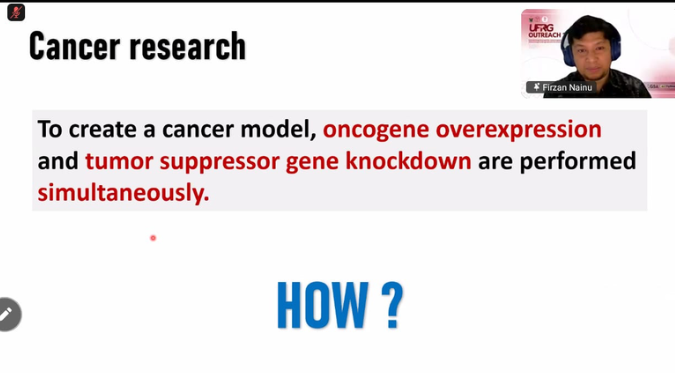
Prof. Firzan Nainu from Hasanuddin University presented on the application of Drosophila as a cancer research model and discussed the growing development of Drosophila-based research in Indonesia. Prof. Toshiyuki Takano of Kyoto Institute of Technology introduced resources from the Kyoto Drosophila Stock Center and their significance in supporting human disease studies.
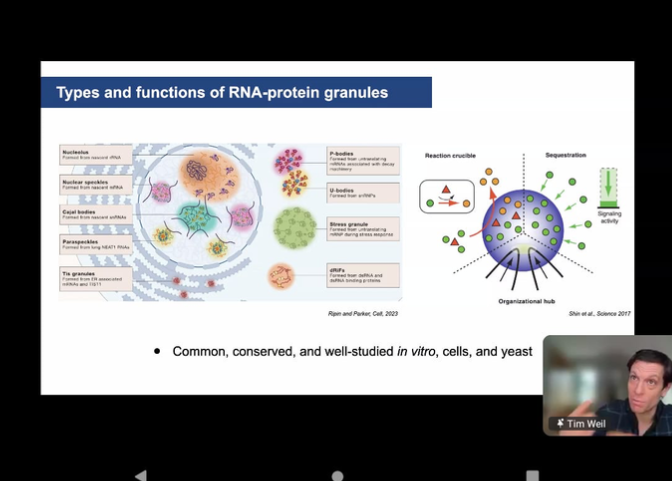
Assoc. Prof. Karyn Johnson from The University of Queensland elaborated on the use of Drosophila to understand host–virus interactions, while Prof. Tim Weil of University of Cambridge discussed translational regulation and protein–RNA condensates in early Drosophila development, highlighting their broader implications for developmental biology.
According to the organizing committee, the outreach initiative reflects UFRG’s commitment to fostering a more inclusive and collaborative research ecosystem. Beyond keynote presentations, interactive discussion sessions enabled participants to explore potential collaborations and practical implementation of Drosophila-based methodologies within their respective institutions.
Running from 08:30 to 17:30 Central Indonesia Time (WITA), the webinar was open to lecturers, researchers, students, and science practitioners. The strong participation signaled a growing interest within Indonesia’s scientific community in leveraging model organisms as efficient and globally competitive research tools.
Through this initiative, UFRG aims to expand international research networks while contributing to the enhancement of Indonesia’s scientific capacity and global engagement.