
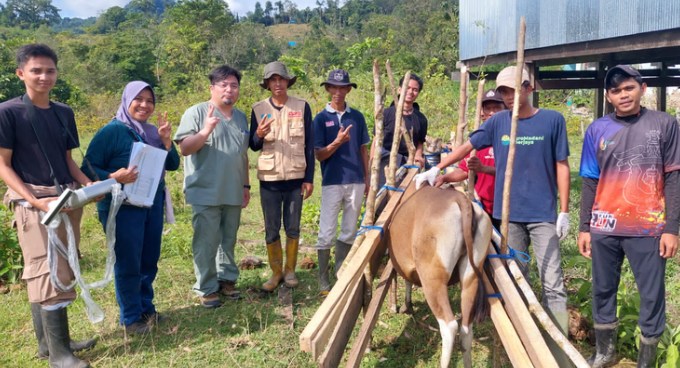
The Faculty of Animal Science (FAPET) at Hasanuddin University (UNHAS) has launched a strategic international research partnership with the University of Miyazaki, Japan. This initiative is led by Prof. Rr. Sri Rachma Aprilita Bugiwati, M.Sc., Ph.D., head of the UNHAS Animal Breeding and Genetics Laboratory, alongside Tadaaki Tokunaga, Ph.D., from the University of Miyazaki. The project, which began in January 2026 in Barru Regency, South Sulawesi, is supported by ICORE funding from UNHAS and resources from the University of Miyazaki. While the initial research phase is set for six months, the collaboration is planned to continue for up to three years.
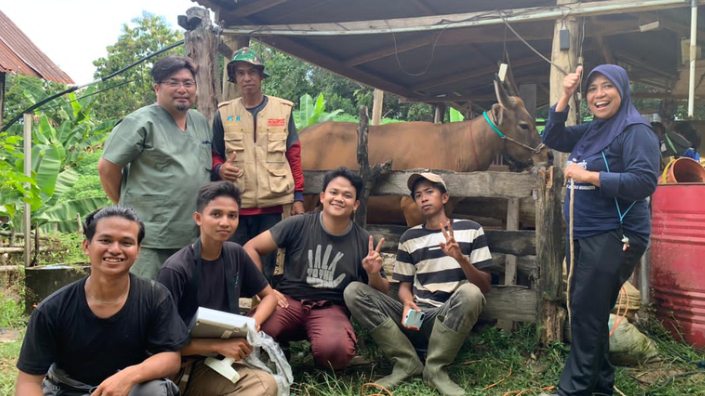
The primary goal of this joint research is to enhance the productivity of Bali cattle by determining the optimal age and weight for slaughter through the analysis of growth patterns and carcass traits. To achieve this, researchers are collecting comprehensive data at regular intervals from cattle aged 12 to 36 months. The study also seeks to identify molecular correlations between carcass quality and DNA. Furthermore, the team is adapting advanced 3D camera technology—previously used for Japanese Wagyu—to accurately estimate the body weight of Bali cattle, alongside the use of ultrasound to predict carcass characteristics.
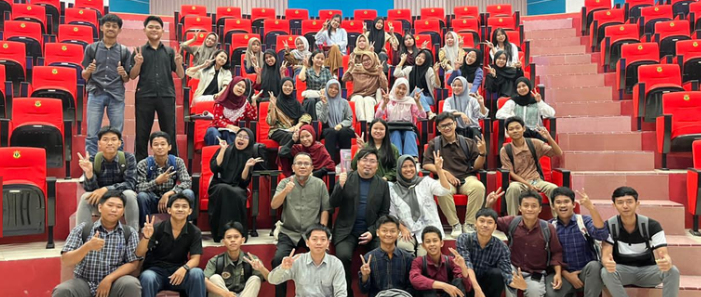
Complementing the fieldwork, a General Lecture was held on April 2, 2026, at the UNHAS Faculty of Animal Science. Dr. Tokunaga presented a session titled “Application of Sensor Technologies in the Evaluation of Conformation and Carcass Traits in Livestock” to students of the 2025 Animal Breeding class. The lecture aimed to introduce students to modern Japanese farming technologies, including sensor-based evaluation for cattle and pigs, while motivating them to pursue research in animal breeding for their final projects.
Looking ahead, this partnership is designed for sustained engagement and data continuity. Dr. Tokunaga is scheduled to return to Indonesia periodically in July and October 2026, followed by further visits in January, April, July, and October 2027. These visits will ensure the collection of longitudinal data necessary for the long-term success of the study, strengthening the academic and technological ties between the two institutions.